Table of contents
Clearing land efficiently often means choosing the right equipment for the job. For many, the decision boils down to selecting between mulchers and chippers, both of which offer unique advantages depending on the specific land management needs. Understanding the differences and applications of each can lead to better results and optimal site preparation, making it worthwhile to explore the following paragraphs for insightful guidance.
Understanding land clearing basics
Land clearing is a fundamental process in site preparation, involving the removal of vegetation, trees, branches, and brush to create a clean, workable surface for construction, agriculture, or landscaping. The primary goals are to facilitate access, ensure safety, and enable the efficient use of land for new projects. Effective debris management is a key aspect, with biomass reduction playing a vital role in minimizing environmental impact while preparing a site for its intended use. Vegetation removal not only helps in brush control but also reduces the risk of pests and fire hazards, making it indispensable for both large-scale developments and smaller landscaping projects. Selecting the correct equipment, such as mulchers or chippers, contributes significantly to the efficiency of land clearing operations and supports responsible environmental practices.
Since the types of debris encountered range from dense undergrowth to massive tree trunks, the choice of machinery directly influences the speed, safety, and ecological footprint of the operation. Proper tools streamline biomass reduction and enable targeted brush control, reducing time and labor costs while limiting soil disturbance and promoting sustainability. Those seeking further guidance on appropriate land clearing machinery and methods can find more information and practical advice at details.
How mulchers work
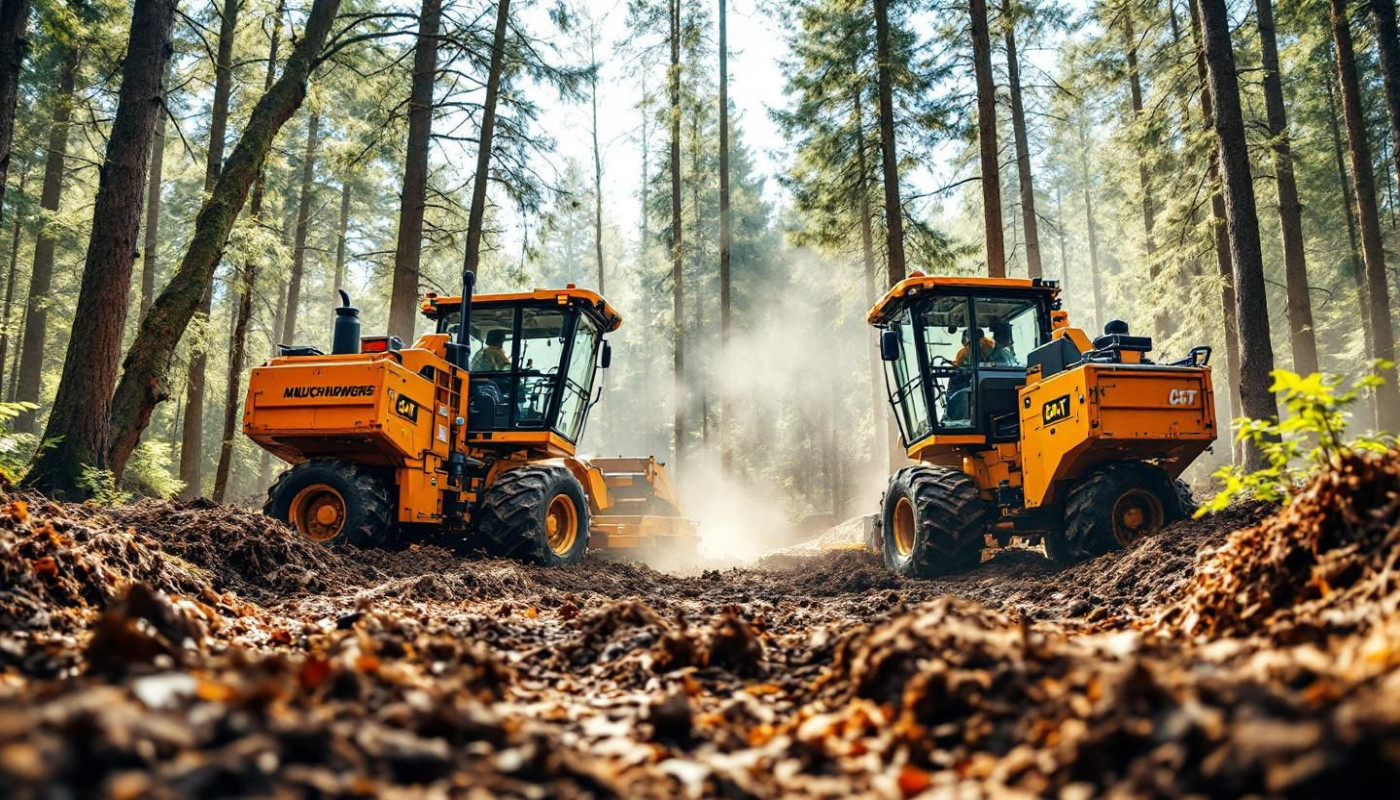
A mulcher machine operates by using a specialized mulching head equipped with robust rotating teeth or blades that shred vegetation directly where it stands. This process, known as forestry mulching, converts trees, brush, and undergrowth into fine mulch on-site, which is evenly distributed across the cleared area. This on-site mulching approach reduces the need for material removal, streamlines vegetation control, and returns organic matter to the earth, which can boost soil health by conserving moisture and reducing erosion. Mulchers excel in tackling overgrown brush, dense undergrowth, and smaller trees, making them suitable for reclaiming land, building firebreaks, and preparing sites for new plantings.
Terrain and soil goals are significant factors when choosing a mulcher machine. These machines perform best on accessible, moderately sloped ground where the mulching head can maintain consistent contact with vegetation. When soil disturbance must be minimized or when rapid decomposition of organic material is required, on-site mulching is a preferred method. For projects where preserving soil structure and promoting regeneration of native plants are priorities, forestry mulching stands out as an efficient solution for sustainable vegetation control.
How chippers operate
Wood chippers are specialized arboricultural equipment engineered to process substantial tree limb removal tasks, making them essential tools for managing larger branches and woody debris. Equipped with a robust chipping mechanism, these machines draw in sizable limbs and break them down using heavy-duty blades or rotating drums. The result is consistently sized wood chips, which differ from the finer, mulch-like material produced by mulchers. When comparing chippers to mulchers, a chipper's output serves best for landscaping pathways, playground surfacing, or as a biomass fuel source, while mulchers are preferable for composting or soil enhancement due to their ability to process softer, leafier materials into finer mulch.
Chippers are designed for efficiency in clearing large volumes of woody material, especially in settings where the bulk of debris consists of branches and trunks rather than leaves or grass. Their chipping mechanism is optimized for speed and power, allowing rapid reduction of material that would otherwise be cumbersome to manage. While mulchers can handle a wider range of organic waste, they are not suited to the dense, fibrous structure of mature tree limbs, making wood chippers the superior choice for arborists, landscapers, and property managers dealing with extensive tree limb removal projects.
A crucial aspect when operating a wood chipper is safety. The powerful mechanical components that drive the chipping mechanism can pose significant risks if not handled properly. Safety protocols must be strictly followed, including wearing protective equipment, maintaining safe distances, and never attempting to clear jams while the machine is running. Many modern chippers include emergency stop features and feed control bars to further enhance chipper safety, but operator vigilance remains paramount.
Selecting the right arboricultural equipment for land clearing depends on the specific nature of the debris involved. Chippers excel at processing and converting larger, denser wood into useful chips, whereas mulchers are better for softer, varied organic matter. For tasks involving significant tree limb removal, a wood chipper’s design and output provide a practical, efficient solution, making it a preferred choice for professional and large-scale clearing operations.
Choosing the best equipment
Selecting optimal equipment for land management hinges on several key factors: land size, debris type, final use of by-products, and environmental considerations. Mulchers excel in transforming brush, undergrowth, and smaller branches directly into nutrient-rich mulch, making them highly suitable for large properties where operational efficiency and rapid coverage are priorities. On the other hand, chippers are tailored for processing larger branches and trunks into wood chips, which proves advantageous when the debris consists mainly of woody material and the intention is to repurpose chips for landscaping or biomass fuel. When considering equipment selection, understanding debris type is fundamental, as mulchers handle mixed and fibrous vegetation more effectively, whereas chippers outperform with high-volume, dense wood.
Cost efficiency further influences the decision; mulchers generally require a higher initial investment but may offer savings through reduced labor and faster clearing on extensive plots. Chippers often suit smaller-scale operations or projects with substantial tree removal, where the resale or reuse of wood chips contributes additional value. Environmental considerations also play a pivotal role: mulching returns organic matter directly to the soil, supporting erosion control and habitat restoration, while chipping minimizes green waste by creating usable by-products. The choice ultimately depends on aligning operational efficiency with the specific demands of the site and the overarching goals of sustainable land management.
Safety and maintenance tips
When operating mulchers and chippers, prioritizing equipment safety and operator protection is vital to prevent accidents and maximize operational efficiency. Operators should always wear recommended protective gear such as hard hats, safety goggles, gloves, hearing protection, and steel-toed boots, as these machines generate high levels of noise and can eject debris at significant speeds. Common hazards include entanglement in moving parts, flying wood chips, and unexpected equipment malfunctions; staying alert and keeping hands and feet clear of feed mechanisms helps reduce injury risk. Preventive maintenance is key to machinery maintenance and hazard prevention; regularly inspect blades, belts, guards, and hydraulic systems for signs of wear, and clear accumulated debris to avoid overheating or fire hazards. Familiarize yourself with equipment inspection protocols provided in manufacturer instructions and adhere to all local regulations to ensure safe, compliant operation and extend the lifespan of your land clearing machinery.
On the same subject
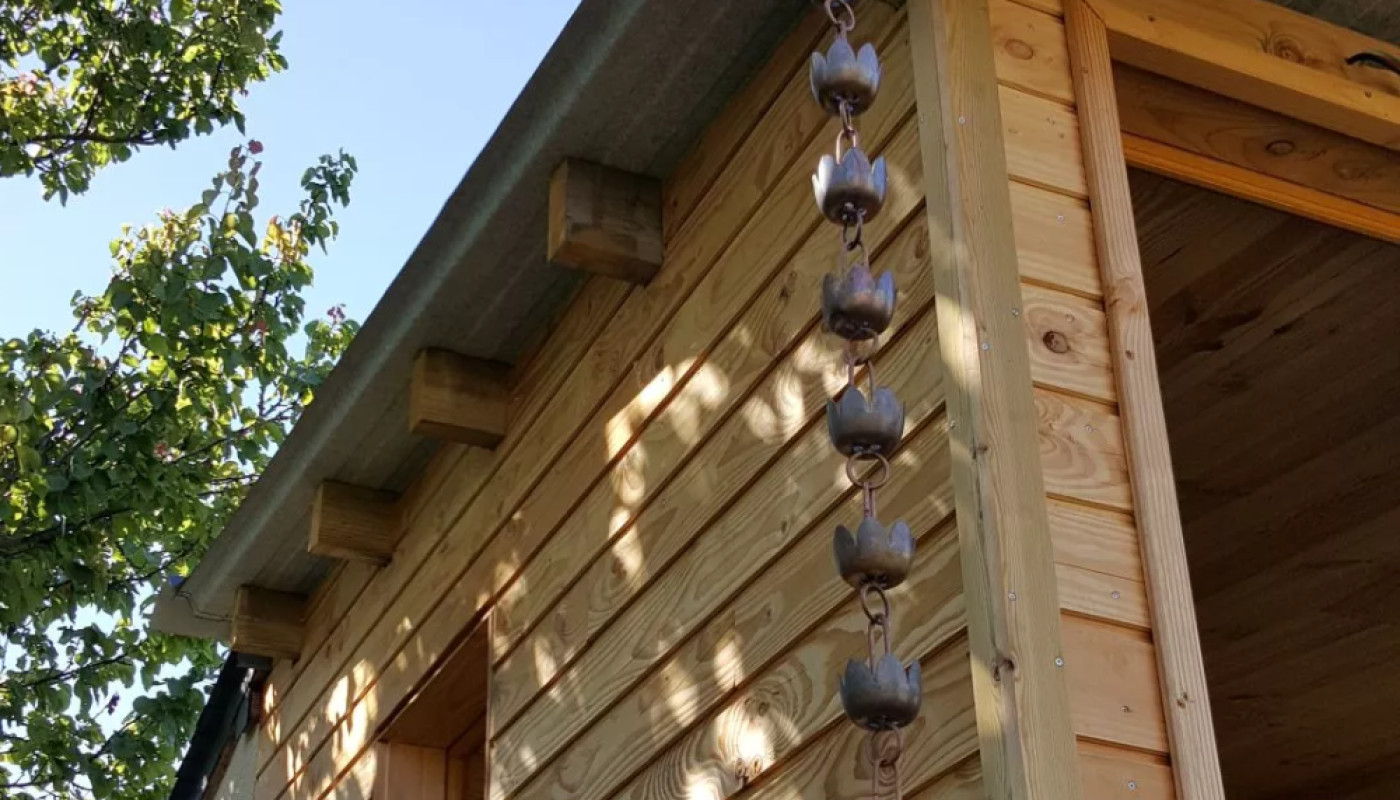
Rain Chains Europe proposes you to add a Japanese touch on your gutters !

Exploring The Benefits And Process Of Custom Basement Renovations
